





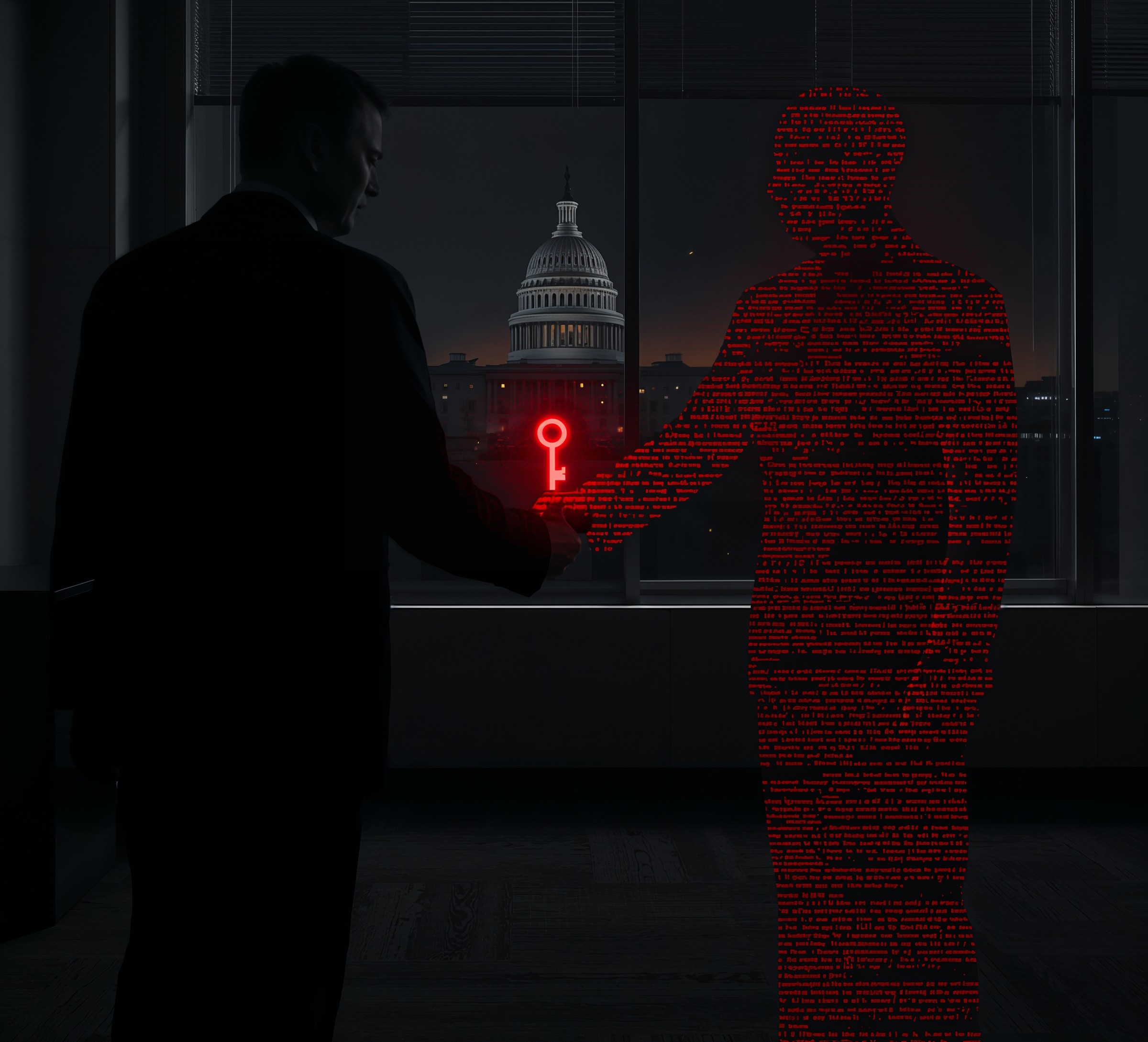
When most teams talk about North Korean threats, they focus on malware, banking heists and cryptocurrency theft. However, a parallel problem has been unfolding quietly in HR systems. Recently, five individuals admitted they helped a North Korean remote IT worker scheme infiltrate 136 US companies by providing stolen identities, front companies and so-called laptop farms. As a result, millions in wages flowed to operatives who sat outside US borders while appearing to work as legitimate staff.
𝗡𝗼𝗿𝘁𝗵 𝗞𝗼𝗿𝗲𝗮’𝘀 𝗥𝗲𝗺𝗼𝘁𝗲 𝗜𝗧 𝗪𝗼𝗿𝗸𝗲𝗿 𝗣𝗹𝗮𝘆𝗯𝗼𝗼𝗸
Over the last several years, North Korea has leaned heavily on remote IT work as a sanctions-evasion channel. Thousands of technically capable workers pose as foreign nationals, pitch themselves as developers or IT specialists, and then apply for roles at Western companies. They hide their origin behind fabricated profiles, third-party intermediaries and compromised identities. In these cases, the five facilitators acted as the human layer that made the North Korean remote IT worker scheme look legitimate.
Instead of brute-forcing corporate VPNs, the regime simply earned valid logins through job offers. The workers appeared on paper as US-based or allied-country professionals. Meanwhile, the real operators sat in North Korea or nearby regions, connected through remote access tools to company-issued laptops hosted inside American homes.
𝗧𝗵𝗲 𝗙𝗮𝗰𝗶𝗹𝗶𝘁𝗮𝘁𝗼𝗿𝘀 𝗕𝗲𝗵𝗶𝗻𝗱 𝘁𝗵𝗲 𝗦𝗰𝗵𝗲𝗺𝗲
The case centers on five defendants who played distinct roles in this fraud ecosystem. A Ukrainian national built an identity-brokering business that harvested and sold US identities, complete with supporting documents, to North Korean operatives. Several US-based accomplices offered their own identities and bank accounts to create job applicant profiles that passed HR and KYC checks more easily. One ran a company that formally “supplied” IT workers to US firms while quietly passing those roles through to DPRK workers.
As a result, at least 136 companies believed they had hired remote IT employees or contractors through normal channels. In reality, they had hired into a North Korean remote IT worker scheme that funneled income to a sanctioned regime.
𝗟𝗮𝗽𝘁𝗼𝗽 𝗙𝗮𝗿𝗺𝘀 𝗮𝗻𝗱 𝗙𝗮𝗸𝗲 𝗟𝗼𝗰𝗮𝗹 𝗣𝗿𝗲𝘀𝗲𝗻𝗰𝗲
To reinforce the illusion that workers lived in the United States, facilitators operated laptop farms. They received company-issued endpoints on behalf of the supposed employees, connected them to residential internet in US cities, and then handed remote access to North Korean operators. Because the devices remained online from American IP addresses, many geo-based controls and heuristics never triggered.
Moreover, these helpers sometimes handled onboarding tasks, employment paperwork and even background checks. They coached applicants through HR processes, responded to calls, and helped them pass drug tests and document verification. As a result, companies saw clean paperwork, US addresses, and corporate-managed devices that never left American soil—even though the actual work and access came from elsewhere.
𝗠𝗼𝗻𝗲𝘆 𝗙𝗹𝗼𝘄𝘀 𝗮𝗻𝗱 𝗗𝗮𝗺𝗮𝗴𝗲
Across the affected firms, salaries and contract payments added up quickly. Court filings tie at least $1.28 million in salaries from 136 US companies and more than $2.2 million in total revenue to this operation. A significant portion fed directly into North Korea’s weapons and missile programs. In parallel, separate forfeiture actions seized over $15 million in cryptocurrency linked to related DPRK cyber operations, including high-value exchange intrusions.
Therefore, the impact extends far beyond fraud loss on a balance sheet. Every paycheck sent to a fake remote developer helped fund a hostile state’s broader cyber and kinetic capabilities. In addition, the arrangement gave North Korean operatives access to internal systems, source code repositories and sensitive infrastructure in some cases, even if those deeper breaches have not yet become public.
𝗟𝗲𝗴𝗮𝗹 𝗢𝘂𝘁𝗰𝗼𝗺𝗲𝘀 𝗮𝗻𝗱 𝗪𝗵𝗮𝘁 𝗧𝗵𝗲𝘆 𝗦𝗶𝗴𝗻𝗮𝗹
The defendants pleaded guilty to charges including wire-fraud conspiracy and aggravated identity theft. Some must forfeit substantial assets, including hundreds of thousands of dollars in fiat currency and cryptocurrency. Authorities clearly framed these cases as part of a coordinated campaign to disrupt the North Korean remote IT worker scheme that has quietly monetized Western companies for years.
More importantly, the focus on facilitators matters. North Korean operators themselves often sit beyond direct reach of US law enforcement. However, the identity brokers, laptop-farm operators and front-company owners typically reside inside jurisdictions where prosecutors can act. That approach turns the pressure toward the infrastructure that makes these schemes viable.
𝗦𝗲𝗰𝘂𝗿𝗶𝘁𝘆 𝗦𝗶𝗴𝗻𝗮𝗹𝘀 𝗙𝗼𝗿 𝗛𝗜𝗥𝗘 𝗮𝗻𝗱 𝗦𝗘𝗖𝗢𝗣𝗦
From a defender’s perspective, this case reads like a checklist of missed signals. Many organizations still treat remote IT hiring as a pure HR workflow rather than a security-sensitive onboarding process. However, certain patterns should now trigger deeper scrutiny.
First, 𝗰𝗼𝗻𝘀𝗶𝘀𝘁𝗲𝗻𝘁 𝗴𝗲𝗼𝗴𝗿𝗮𝗽𝗵𝗶𝗰 𝗮𝗻𝗼𝗺𝗮𝗹𝗶𝗲𝘀 matter. When video calls, tax paperwork and claimed location say “US-based,” yet device telemetry points to odd time-of-day usage and unusual access behaviour, security teams need a path to escalate. Second, 𝗹𝗮𝗽𝘁𝗼𝗽𝘀 𝘁𝗵𝗮𝘁 𝗼𝗻𝗹𝘆 𝗲𝘃𝗲𝗿 𝗮𝗽𝗽𝗲𝗮𝗿 𝗳𝗿𝗼𝗺 𝗿𝗲𝘀𝗶𝗱𝗲𝗻𝘁𝗶𝗮𝗹 𝗜𝗣𝘀 𝘁𝗶𝗲𝗱 𝘁𝗼 𝘁𝗵𝗶𝗿𝗱 𝗽𝗮𝗿𝘁𝘆 𝗵𝗼𝘀𝘁𝘀 deserve attention, especially when the official employee profile changes clients frequently or appears across many unrelated businesses.
Moreover, hiring patterns in sensitive IT roles should appear on threat-modeling diagrams. When developers, DevOps engineers or privileged support staff join from remote locations through intermediaries, that scenario belongs on the same risk map as third-party vendors and MSPs.
𝗛𝗮𝗿𝗱𝗲𝗻𝗶𝗻𝗴 𝗥𝗲𝗺𝗼𝘁𝗲 𝗪𝗼𝗿𝗸 𝗣𝗶𝗽𝗲𝗹𝗶𝗻𝗲𝘀
Because this North Korean remote IT worker scheme exploited process gaps, defenses must start with process as well. Organizations should define a joint control set owned by security, HR, legal and procurement rather than leaving each group to improvise.
First, 𝗿𝗲𝗺𝗼𝘁𝗲 𝗵𝗶𝗿𝗶𝗻𝗴 𝗻𝗲𝗲𝗱𝘀 𝘀𝘁𝗮𝗻𝗱𝗮𝗿𝗱𝗶𝘇𝗲𝗱 𝘃𝗲𝗿𝗶𝗳𝗶𝗰𝗮𝘁𝗶𝗼𝗻 including stronger document checks, verified video interviews and controls around third-party agencies that “supply” IT workers. Second, 𝗰𝗼𝗺𝗽𝗮𝗻𝗶𝗲𝘀 𝘀𝗵𝗼𝘂𝗹𝗱 𝗿𝗲𝘀𝘁𝗿𝗶𝗰𝘁 𝘄𝗵𝗲𝗿𝗲 𝗰𝗼𝗿𝗽𝗼𝗿𝗮𝘁𝗲 𝗱𝗲𝘃𝗶𝗰𝗲𝘀 𝗺𝗮𝘆 𝗼𝗽𝗲𝗿𝗮𝘁𝗲, using conditional access, device attestation and network analytics to identify machines that always sit in unrelated households. Third, 𝗿𝗲𝗺𝗼𝘁𝗲 𝗶𝗻𝘁𝗲𝗿𝗻𝗮𝗹 𝗿𝗼𝗹𝗲𝘀 𝘀𝗵𝗼𝘂𝗹𝗱 𝗴𝗲𝘁 𝗿𝗶𝘀𝗸-𝗯𝗮𝘀𝗲𝗱 𝘁𝗿𝗲𝗮𝘁𝗺𝗲𝗻𝘁, especially when access touches source code, payment systems or operational technology.
𝗕𝗿𝗼𝗮𝗱𝗲𝗿 𝗗𝗣𝗥𝗞 𝗧𝗵𝗿𝗲𝗮𝘁 𝗟𝗮𝗻𝗱𝘀𝗰𝗮𝗽𝗲
These guilty pleas do not stand alone. They sit next to earlier indictments of North Korean operatives involved in remote IT employment fraud, cryptocurrency exchange intrusions and banking theft. Together, they illustrate a North Korean remote IT worker scheme that acts as both a revenue stream and an access vector.
On one side, fraudulent employment channels feed sanctions-evading cash flows. On the other, those same footholds can support data theft, supply-chain compromise and long-term espionage. When remote staff touch production systems or code repositories, the line between “fraud case” and “breach case” blurs quickly.
Therefore, any mature threat model that includes DPRK activity needs to treat remote IT hiring as a first-class risk surface alongside phishing, VPN exploitation and third-party vendor compromise.
𝗦𝘁𝗿𝗮𝘁𝗲𝗴𝗶𝗰 𝗧𝗮𝗸𝗲𝗮𝘄𝗮𝘆𝘀 𝗳𝗼𝗿 𝗦𝗲𝗰𝘂𝗿𝗶𝘁𝘆 𝗟𝗲𝗮𝗱𝘀
This case forces a simple but uncomfortable conclusion: a job offer can function as an access token. The five guilty pleas show how easily motivated facilitators can turn ordinary hiring workflows into a delivery mechanism for a hostile-state actor.
Consequently, CISOs and security leaders should push for concrete controls: joint governance over remote hiring, better device-location visibility, training for HR teams on sanctions risks, and scenario planning for the discovery of a sanctioned remote worker inside the environment. Once those pieces exist, organizations stand a better chance of catching the next iteration of this North Korean remote IT worker scheme before it matures to 136 victim firms again.