





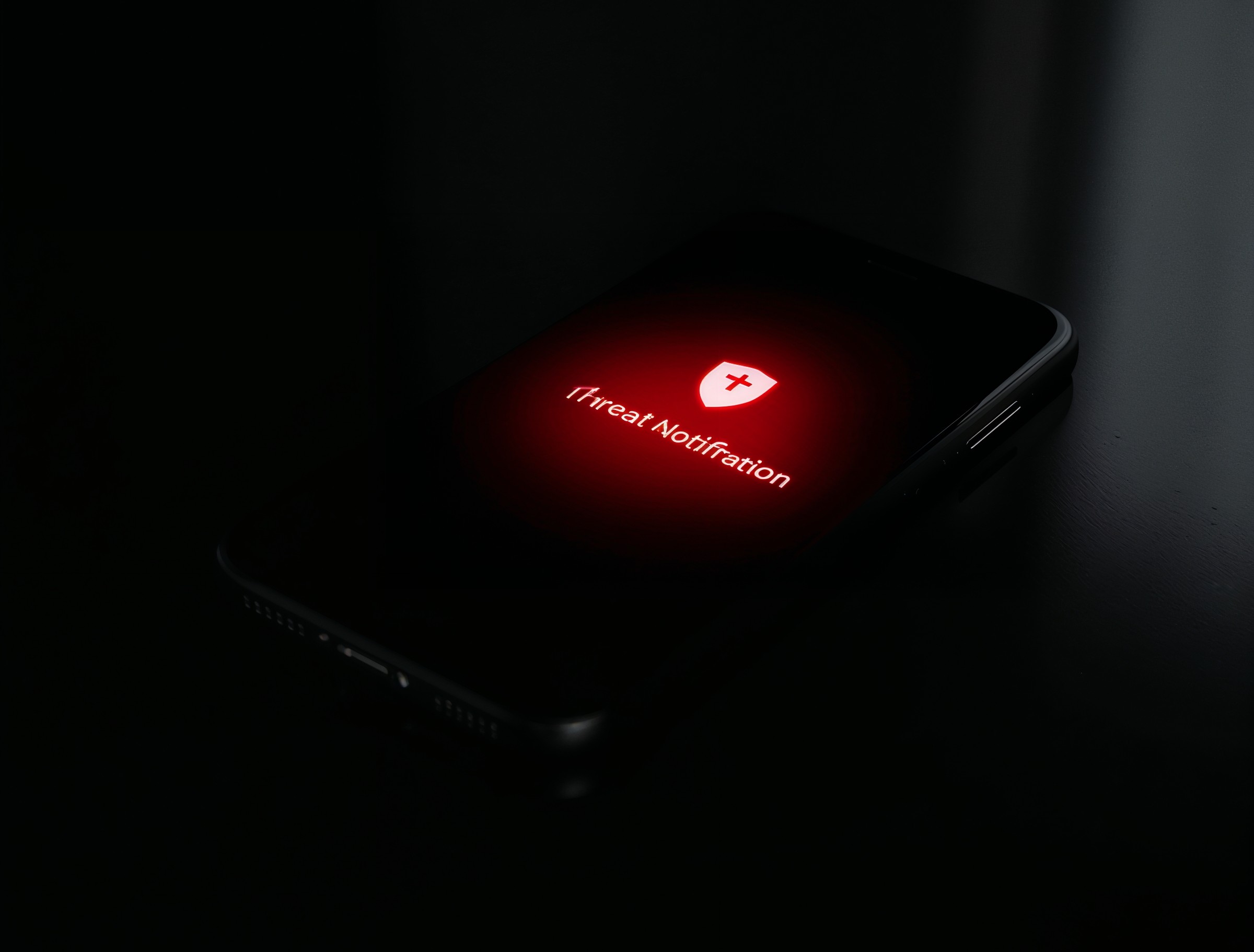
Apple’s latest threat-notification wave spans 84 countries, and that geographic scope signals something far larger than routine cybercrime. Attackers continue to escalate targeted surveillance attempts against journalists, political figures, human-rights workers, corporate executives, and individuals tied to sensitive investigations. Because these alerts often relate to sophisticated spyware campaigns, they highlight intensified interest from state-sponsored actors and commercial exploit providers.
The company’s warning messages emphasize that attackers attempted remote compromise of Apple devices using methods requiring advanced technical capabilities. Consequently, Apple labels them “mercenary spyware attacks”, a term used for private companies selling highly-advanced surveillance tools to governments rather than opportunistic criminals.
𝗪𝗵𝘆 𝗧𝗵𝗶𝘀 𝗪𝗮𝘃𝗲 𝗶𝘀 𝗦𝗶𝗴𝗻𝗶𝗳𝗶𝗰𝗮𝗻𝘁
This global alert cycle stands out because Apple rarely sends notifications at such scale. Although the company does not attribute these attacks to specific groups, historical patterns indicate that campaigns of this magnitude often involve exploit chains capable of bypassing device hardening. In previous years, Pegasus-style operations relied on zero-click vulnerabilities in messaging platforms, file preview engines, and device background services. Attackers continuously evolve techniques, and Apple’s acknowledgement of wide-area targeting suggests the presence of active exploit attempts.
Because notifications were sent across dozens of regions simultaneously, analysts should interpret this as a coordinated multi-country push rather than fragmented, unrelated events. Attackers tend to synchronize operations when deploying new exploit chains to maximize reach before detection and patching occur.
𝗛𝗼𝘄 𝗔𝘁𝘁𝗮𝗰𝗸𝗲𝗿𝘀 𝗧𝗮𝗿𝗴𝗲𝘁 𝗛𝗶𝗴𝗵-𝗥𝗶𝘀𝗸 𝗨𝘀𝗲𝗿𝘀
Spyware operators rely on quiet intrusion flows. Therefore, they select victims whose data yields strategic value. Journalists often uncover corruption or criminal activity, which motivates hostile surveillance. Meanwhile, political figures influence policy, making them targets for adversarial intelligence services. Corporate executives control access to intellectual property and sensitive deal information. Because these individuals operate in environments containing confidential material, they represent compelling targets for threat actors with meaningful resources.
Additionally, attackers often exploit cross-platform threat vectors. Although Apple’s ecosystem maintains strong sandboxing and secure-enclave protections, attackers increasingly deploy multi-stage chains combining vulnerabilities in iOS, macOS, network layers, and cloud authentication workflows. Since threat actors continuously refine techniques, defenders must maintain enhanced vigilance.
𝗧𝗵𝗲 𝗥𝗼𝗹𝗲 𝗼𝗳 𝗠𝗲𝗿𝗰𝗲𝗻𝗮𝗿𝘆 𝗦𝗽𝘆𝘄𝗮𝗿𝗲 𝗶𝗻 𝗧𝗵𝗶𝘀 𝗦𝘂𝗿𝗴𝗲
Mercenary spyware vendors operate like advanced persistent threat groups, although they work as contractors for government clients. Because these vendors possess specialized exploit-development teams, they routinely discover or purchase zero-day vulnerabilities and integrate them into turnkey surveillance platforms. These platforms deliver remote data extraction, microphone activation, camera control, and real-time device monitoring.
Furthermore, the commercial exploit market thrives due to demand from governments seeking covert intelligence capabilities. Since these surveillance tools are expensive, attackers prioritize targets with high political, economic, or diplomatic value. Consequently, widespread alerts across 84 countries indicate that multiple surveillance buyers engaged simultaneously, or a single actor conducted coordinated operations across multiple jurisdictions.
𝗪𝗵𝘆 𝗛𝗶𝗴𝗵-𝗥𝗶𝘀𝗸 𝗨𝘀𝗲𝗿𝘀 𝗠𝘂𝘀𝘁 𝗥𝗲𝘀𝗽𝗼𝗻𝗱 𝗜𝗺𝗺𝗲𝗱𝗶𝗮𝘁𝗲𝗹𝘆
Because mercenary spyware enables deep device compromise, users receiving an Apple threat notification should treat it as a confirmed sign of targeted attention from a high-capability threat actor. Apple sends these notifications only after internal threat-intelligence teams validate strong evidence of malicious activity. Therefore, dismissing these alerts could result in prolonged device exposure.
Immediate action protects both the device owner and any other individuals communicating with them. Since surveillance operators often pivot to secondary targets through compromised accounts, a quick response reduces the risk of cascading compromise across personal or professional networks.
𝗔𝗽𝗽𝗹𝗲’𝘀 𝗣𝗿𝗼𝘁𝗲𝗰𝘁𝗶𝗼𝗻𝗦𝘁𝗮𝘁𝗲 𝗮𝗻𝗱 𝗪𝗵𝘆 𝗜𝘁 𝗠𝗮𝘁𝘁𝗲𝗿𝘀
Apple introduced Lockdown Mode to mitigate the threat from advanced spyware campaigns. Because Lockdown Mode restricts certain high-risk features, such as attachment previews and Just-In-Time compiler execution in Safari, it reduces surface area available to attackers. Additionally, Apple continually expands its threat-analysis infrastructure, analyzing device telemetry for indicators of compromise that may signal exploit use.
Because attackers frequently adapt by shifting to new vectors, high-risk individuals should enable Lockdown Mode immediately when they receive any threat notification. The feature significantly disrupts exploit reliability, making attacks more expensive and less successful.
𝗪𝗵𝘆 𝗜𝗻𝗱𝘂𝘀𝘁𝗿𝘆 𝗘𝘅𝗽𝗲𝗿𝘁𝘀 𝗕𝗲𝗹𝗶𝗲𝘃𝗲 𝗧𝗵𝗲𝘀𝗲 𝗔𝗹𝗲𝗿𝘁𝘀 𝗛𝗶𝗴𝗵𝗹𝗶𝗴𝗵𝘁 𝗮 𝗕𝗿𝗼𝗮𝗱𝗲𝗿 𝗦𝗶𝗳𝘁
Because Apple rarely sends notifications at such volume, researchers believe these events reflect a shift toward more aggressive surveillance operations globally. Meanwhile, state-aligned threat actors increasingly outsource capability development to private firms, which expands the number of entities capable of executing complex intrusions.
Additionally, ongoing geopolitical tensions motivate governments to expand surveillance beyond their borders. Since many targets operate internationally, attackers pursue them wherever they travel, which forces Apple to monitor an extremely wide attack surface.
𝗦𝘁𝗿𝗮𝘁𝗲𝗴𝗶𝗲𝘀 𝗛𝗶𝗴𝗵-𝗥𝗶𝘀𝗸 𝗨𝘀𝗲𝗿𝘀 𝗖𝗮𝗻 𝗔𝗽𝗽𝗹𝘆 𝗡𝗼𝘄
High-risk users must immediately evaluate the security posture of their entire digital ecosystem. They should update all Apple devices to the latest OS versions because attackers often exploit outdated components. Because secure communication channels reduce exposure, users should adopt end-to-end encrypted apps for sensitive conversations. Additionally, they should avoid clicking links from untrusted sources, since zero-click exploits remain difficult to detect until after successful compromise.
Furthermore, they should evaluate device sharing policies, remove untrusted third-party profiles, and review application permissions. Because attackers frequently escalate privileges through compromised accounts, users should enable multi-factor authentication on all platforms that support it. Finally, they should schedule regular security reviews to ensure consistent vigilance.
𝗙𝗨𝗧𝗨𝗥𝗘 𝗜𝗠𝗣𝗔𝗖𝗧: What This Alert Wave Means for Global Cybersecurity
This coordinated notification sweep demonstrates that global surveillance operations continue to accelerate. Because attackers improve both sophistication and scale, technology companies must expand detection capabilities, patch vulnerabilities faster, and introduce stronger protective features.
Meanwhile, individuals operating in high-risk fields should assume persistent threat presence. They must adopt long-term operational-security practices and treat cybersecurity as a continuous process rather than a reaction to one-time alerts.
FAQs
Why did Apple send so many threat notifications at once?
Because attackers launched coordinated high-risk surveillance attempts across dozens of regions simultaneously. Apple issues alerts only after confirming reliable threat evidence.
Does receiving a threat notification mean my device was successfully hacked?
Not necessarily. It means Apple detected signs of targeted attempts, which require serious attention and immediate protective actions.
Is Lockdown Mode necessary?
Yes. Lockdown Mode significantly reduces exploitable surface area and disrupts advanced spyware chains.
Are non-high-risk users affected by this surge?
Attacks focus on high-value individuals, yet broader scanning and reconnaissance may affect more users indirectly.
Should organizations respond even if no employees received alerts?
Yes. These campaigns reveal attacker interest in global targets, which means organizations must reinforce their internal security posture.



One thought on “Massive Apple Cyber-Threat Alert Hits 84 Countries: What It Means”