





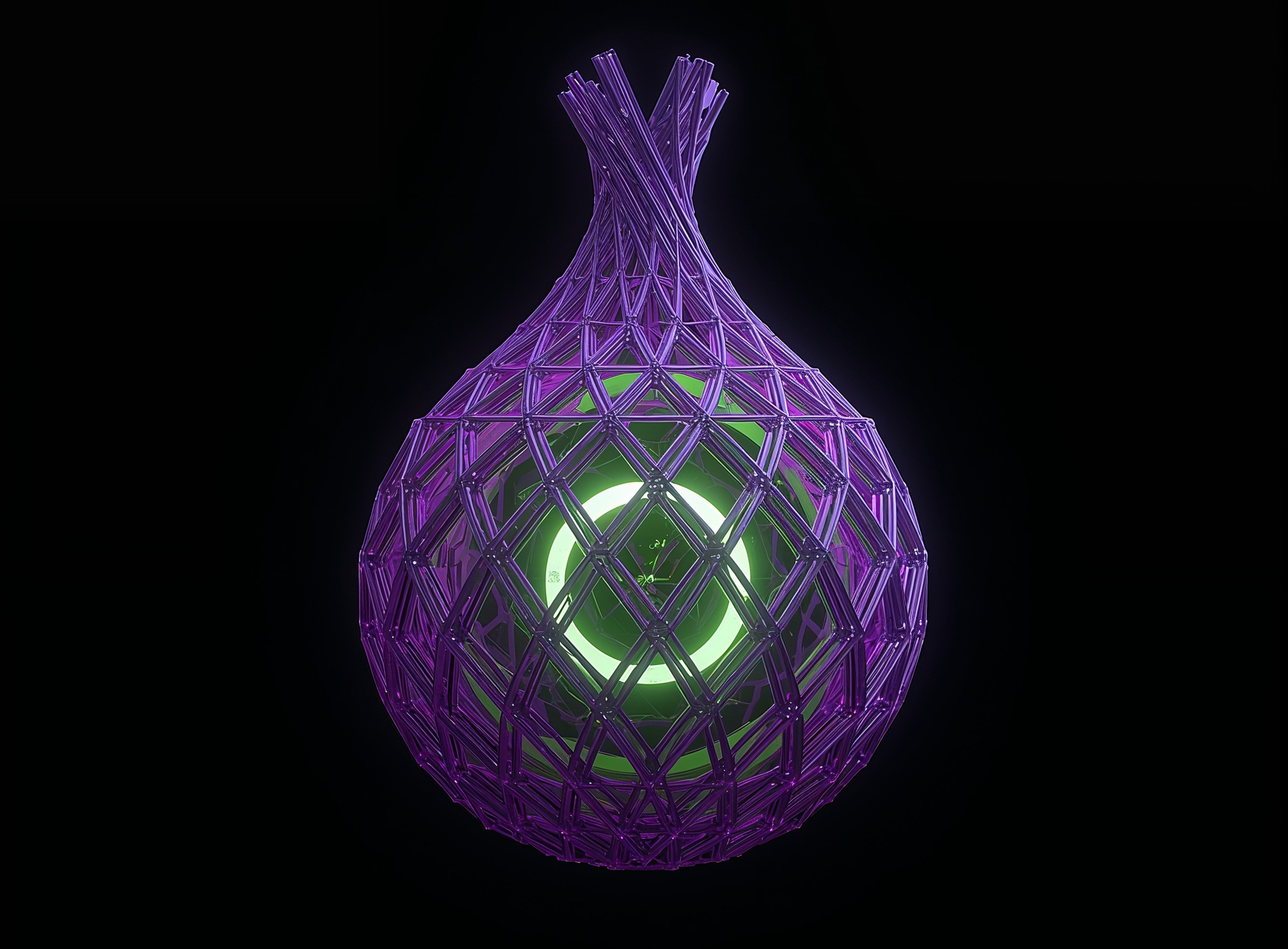
The Tor network has started replacing its long-standing relay encryption scheme with a research-backed design called Counter Galois Onion (CGO), often referred to as Tor Galois onion encryption. Instead of tweaking yet another parameter in the old “tor1” construction, the project chose to rebuild the core relay cryptography that protects each hop in a Tor circuit. The goal is simple but ambitious: make relay traffic far harder to tamper with, significantly improve forward secrecy, and remove aging primitives that no longer match modern cryptographic expectations.
For anyone who depends on Tor for anonymity, this change matters. Relay encryption sits in the middle of every circuit and silently enforces the integrity of onion routing. When you upgrade that engine to a non-malleable, modern cipher construction like Counter Galois Onion, you cut off entire classes of tagging attacks and traffic manipulation attempts that advanced adversaries have studied for years. In practice, Tor Galois onion encryption raises the cost of subtle relay-level attacks that try to mark, distort or partially decrypt cells as they move across the anonymity network.
𝗙𝗿𝗼𝗺 𝘁𝗵𝗲 𝗹𝗲𝗴𝗮𝗰𝘆 “𝘁𝗼𝗿𝟭” 𝘀𝗰𝗵𝗲𝗺𝗲 𝘁𝗼 𝗖𝗼𝘂𝗻𝘁𝗲𝗿 𝗚𝗮𝗹𝗼𝗶𝘀 𝗢𝗻𝗶𝗼𝗻
For two decades, Tor relied on a relay encryption design informally known as tor1, which layered symmetric encryption and message authentication around each cell. That design served the network well, yet it grew increasingly uncomfortable to depend on it as cryptanalysis, attacker capabilities, and performance expectations evolved. The old scheme used a short integrity digest and older hash-based constructions that still worked but no longer looked ideal under modern scrutiny.
CGO replaces this entire relay-crypto layer with a construction grounded in recent academic work on non-malleable onion encryption. Instead of treating each cell as a small payload with a separate integrity tag that an attacker might try to manipulate, Counter Galois Onion encrypts and authenticates the whole block in a way that resists even carefully crafted tampering. The change does not alter how users interact with Tor day to day, but it materially changes how relays protect circuit traffic on the wire.
𝗛𝗼𝘄 𝗖𝗼𝘂𝗻𝘁𝗲𝗿 𝗚𝗮𝗹𝗼𝗶𝘀 𝗢𝗻𝗶𝗼𝗻 𝗺𝗼𝗱𝗲𝗿𝗻𝗶𝘀𝗲𝘀 𝗿𝗲𝗹𝗮𝘆 𝗲𝗻𝗰𝗿𝘆𝗽𝘁𝗶𝗼𝗻
At a high level, Tor Galois onion encryption brings three major upgrades to relay traffic: strong non-malleability, aggressive forward secrecy, and a more robust authentication tag. As always, the details sit at the cryptographic level, but the security outcomes are very concrete.
First, CGO treats each cell as a wide block and combines encryption with tag chaining. In practice, that means if an attacker flips even a single bit in a protected cell, the decryption process fails not only for that cell but for future cells that rely on the same chained state. Instead of leaking partial structure or allowing controlled perturbations, CGO causes the entire stream to become unrecoverable when tampering occurs. That behaviour sharply reduces the value of classic tagging attacks, where an adversary slightly modifies packets at one point in the path and hunts for the same “mark” later in the network.
Second, Counter Galois Onion strengthens forward secrecy for relay encryption. The scheme updates keys as cells flow along the circuit, so an attacker who compromises a relay’s state at one moment gains far less leverage over past traffic. Under the older design, a well-timed key compromise could reveal a wider slice of historical cells. With CGO, Tor shifts more aggressively toward a model where relay keys evolve and shrink the window of meaningful exposure.
Third, the new design abandons short, legacy digests and eliminates SHA-1 from the relay-encryption path. Instead of a small 4-byte value that attackers could, in theory, brute-force or collide with, CGO uses a modern 16-byte authenticator. That change increases the work factor for any attacker who tries to guess or manipulate tags and aligns Tor’s relay layer with contemporary cryptographic best practice.
𝗪𝗵𝗮𝘁 𝗰𝗵𝗮𝗻𝗴𝗲𝘀 𝗳𝗼𝗿 𝗧𝗼𝗿 𝘂𝘀𝗲𝗿𝘀 𝗮𝗻𝗱 𝗿𝗲𝗹𝗮𝘆 𝗼𝗽𝗲𝗿𝗮𝘁𝗼𝗿𝘀
From the outside, Tor Browser and most client tools do not suddenly look different because of Tor Galois onion encryption. Users still build three-hop circuits, connect to onion services, and rely on layered routing exactly as before. However, under the hood, CGO ships in new Tor and Arti releases and becomes the default relay encryption scheme as operators upgrade.
For relay operators, the transition primarily arrives through software updates rather than manual configuration. Operators who run current Tor versions or the new Rust-based Arti implementation will automatically begin handling CGO-protected relay cells once both sides of a circuit support the new scheme. The project aims to phase out the legacy tor1 relay encryption as enough of the network migrates, so mixed support will exist during the rollout but shrink over time.
Because CGO focuses on cryptographic structure rather than route selection or path length, it does not alter how circuits form or how directory authorities view relays. It enhances Tor network security where users never see it directly: in the per-hop encryption that wraps each cell as it moves across the global anonymity network. That design choice keeps the user experience stable while the protocol’s internals gain stronger non-malleability and authentication.
𝗧𝗵𝗿𝗲𝗮𝘁 𝗺𝗼𝗱𝗲𝗹: 𝘁𝗮𝗴𝗴𝗶𝗻𝗴 𝗮𝘁𝘁𝗮𝗰𝗸𝘀, 𝗺𝗮𝗹𝗹𝗲𝗮𝗯𝗶𝗹𝗶𝘁𝘆 𝗮𝗻𝗱 𝗿𝗲𝗹𝗮𝘆 𝗺𝗮𝗻𝗶𝗽𝘂𝗹𝗮𝘁𝗶𝗼𝗻
Tor has always defended against global network surveillance by design, yet researchers and adversaries continue to probe more subtle weaknesses at the relay layer. In particular, academics have described tagging attacks and traffic manipulation techniques where an attacker who controls or monitors some relays tries to mark certain cells and detect that mark later in the path. Those strategies rarely break Tor outright, but they chip away at anonymity when cryptographic protections allow structured tampering.
Tor Galois onion encryption answers those lines of research directly. Because CGO acts as a non-malleable wide-block cipher for relay traffic, it effectively says, “If you touch this cell, you lose everything after it.” Adversaries who hoped to gain a small bias or leak partial information by tweaking headers or payload bytes now run into hard decryption failures instead of nuanced side effects. Combined with the stronger 16-byte authenticator and key-update logic, this design considerably narrows the space of practical relay-level modifications.
For high-end attackers who can compromise relays, the change does not remove traffic correlation as a theoretical threat, but it makes on-path cryptographic games far less attractive. Instead of exploiting malleability in the old tor1 construction, they now face a modern cipher that treats relay cells more like atomic objects than mutable containers.
𝗪𝗵𝗮𝘁 𝘁𝗵𝗶𝘀 𝗺𝗲𝗮𝗻𝘀 𝗳𝗼𝗿 𝗱𝗲𝗳𝗲𝗻𝗱𝗲𝗿𝘀 𝗮𝗻𝗱 𝗽𝗿𝗶𝘃𝗮𝗰𝘆 𝗮𝗿𝗰𝗵𝗶𝘁𝗲𝗰𝘁𝘀
For defenders and privacy architects, the adoption of Counter Galois Onion marks an important signal: the Tor Project still actively refreshes its onion routing encryption rather than treating it as a frozen artifact. In security programmes, long-lived cryptographic code often turns into a blind spot because it rarely changes and appears “good enough.” CGO shows that the project deliberately revisits those assumptions and incorporates peer-reviewed research to strengthen relay encryption.
If you run infrastructure that depends on Tor, whether that means onion services, embedded Tor clients, or monitoring tools, you should treat this upgrade as a positive shift in the baseline. You do not need to redesign your own applications to benefit from CGO; you simply need to track Tor and Arti releases and ensure your deployments stay current. Over time, your circuits gain stronger non-malleable relay protection by default.
More broadly, this move reinforces a principle that applies well beyond Tor: cryptographic agility matters. When a mature project can replace an aging relay encryption algorithm with a modern Counter Galois Onion design without breaking users, it proves that critical privacy infrastructure can evolve in step with cryptographic research instead of lagging behind it.
𝗣𝗿𝗮𝗰𝘁𝗶𝗰𝗮𝗹 𝗰𝗵𝗲𝗰𝗸𝗹𝗶𝘀𝘁 𝗳𝗼𝗿 𝗼𝗿𝗴𝗮𝗻𝗶𝘀𝗮𝘁𝗶𝗼𝗻𝘀 𝘂𝘀𝗶𝗻𝗴 𝗧𝗼𝗿
Although Tor Galois onion encryption arrives through core software updates, security teams that integrate Tor into their workflows should still perform some targeted checks. Begin by confirming which components in your environment speak Tor today browser bundles, system daemons, embedded clients in applications, or relays that you operate. Then, as new releases ship, schedule upgrades so that you do not leave core relay cryptography stuck on older tor1 deployments longer than necessary.
Next, consider how you talk about Tor’s security posture in internal documentation or risk registers. Many organisations still describe Tor’s relay encryption in generic terms, even when they rely on it to protect sensitive research, journalistic work, or corporate access. Updating those documents to reference Counter Galois Onion and its properties reminds stakeholders that the anonymity network’s cryptographic core continues to evolve.
Finally, use this transition as an opportunity to revisit your broader Tor network security assumptions. CGO strengthens the relay layer, yet endpoint hygiene, browser hardening, and operational security still matter as much as ever. When you combine updated cryptography with disciplined use of onion services, careful handling of identifying information, and routine client patching, you gain the best possible anonymity from the network.
𝗙𝗔𝗤𝘀
𝗤𝟭: 𝗗𝗼 𝗜 𝗻𝗲𝗲𝗱 𝘁𝗼 𝗰𝗵𝗮𝗻𝗴𝗲 𝗮𝗻𝘆 𝗧𝗼𝗿 𝗕𝗿𝗼𝘄𝘀𝗲𝗿 𝘀𝗲𝘁𝘁𝗶𝗻𝗴𝘀 𝘁𝗼 𝗴𝗲𝘁 𝗖𝗚𝗢?
No. You receive the benefits of Counter Galois Onion simply by running a Tor Browser release that includes the new relay encryption scheme. The transition happens at the protocol level between relays, not in user-visible configuration.
𝗤𝟮: 𝗗𝗼𝗲𝘀 𝗧𝗼𝗿 𝗚𝗮𝗹𝗼𝗶𝘀 𝗼𝗻𝗶𝗼𝗻 𝗲𝗻𝗰𝗿𝘆𝗽𝘁𝗶𝗼𝗻 𝗺𝗮𝗸𝗲 𝗼𝗻𝗶𝗼𝗻 𝘀𝗲𝗿𝘃𝗶𝗰𝗲𝘀 𝗺𝗼𝗿𝗲 𝘀𝗲𝗰𝘂𝗿𝗲?
It strengthens the relay encryption that carries traffic to and from onion services, which helps protect against relay-level tampering and tagging attacks. However, onion service operators still need to follow best practices for application security, key management, and endpoint hardening.
𝗤𝟯: 𝗛𝗼𝘄 𝗱𝗼𝗲𝘀 𝗖𝗚𝗢 𝗿𝗲𝗹𝗮𝘁𝗲 𝘁𝗼 𝗲𝗻𝗱-𝘁𝗼-𝗲𝗻𝗱 𝗲𝗻𝗰𝗿𝘆𝗽𝘁𝗶𝗼𝗻?
Counter Galois Onion focuses on relay-to-relay encryption inside the Tor network. End-to-end encryption between a client and a destination through HTTPS or onion-service encryption remains a separate layer. In practice, you now get strong end-to-end protection on top of a stronger relay-encryption backbone.
𝗤𝟰: 𝗖𝗮𝗻 𝗖𝗚𝗢 𝘀𝘁𝗼𝗽 𝗮𝗹𝗹 𝗿𝗲𝗹𝗮𝘆-𝗯𝗮𝘀𝗲𝗱 𝗮𝘁𝘁𝗮𝗰𝗸𝘀?
No single cipher or construction eliminates every relay-based threat. Counter Galois Onion mainly targets tampering and malleability, especially tagging attacks and subtle message manipulation. Traffic correlation and endpoint compromise remain relevant threats, so users and operators still need holistic defences.
𝗤𝟱: 𝗗𝗼𝗲𝘀 𝗚𝗮𝗹𝗼𝗶𝘀 𝗼𝗻𝗶𝗼𝗻 𝗲𝗻𝗰𝗿𝘆𝗽𝘁𝗶𝗼𝗻 𝗵𝗮𝘃𝗲 𝗮 𝗽𝗲𝗿𝗳𝗼𝗿𝗺𝗮𝗻𝗰𝗲 𝗶𝗺𝗽𝗮𝗰𝘁?
The Tor Project designed CGO with efficiency in mind and based it on research that balances security with performance. In practice, the network should continue to feel similar or slightly better for most users as implementations mature and relays adopt optimised code paths.




One thought on “Tor Adopts Counter Galois Onion Encryption to Reinforce Security”