





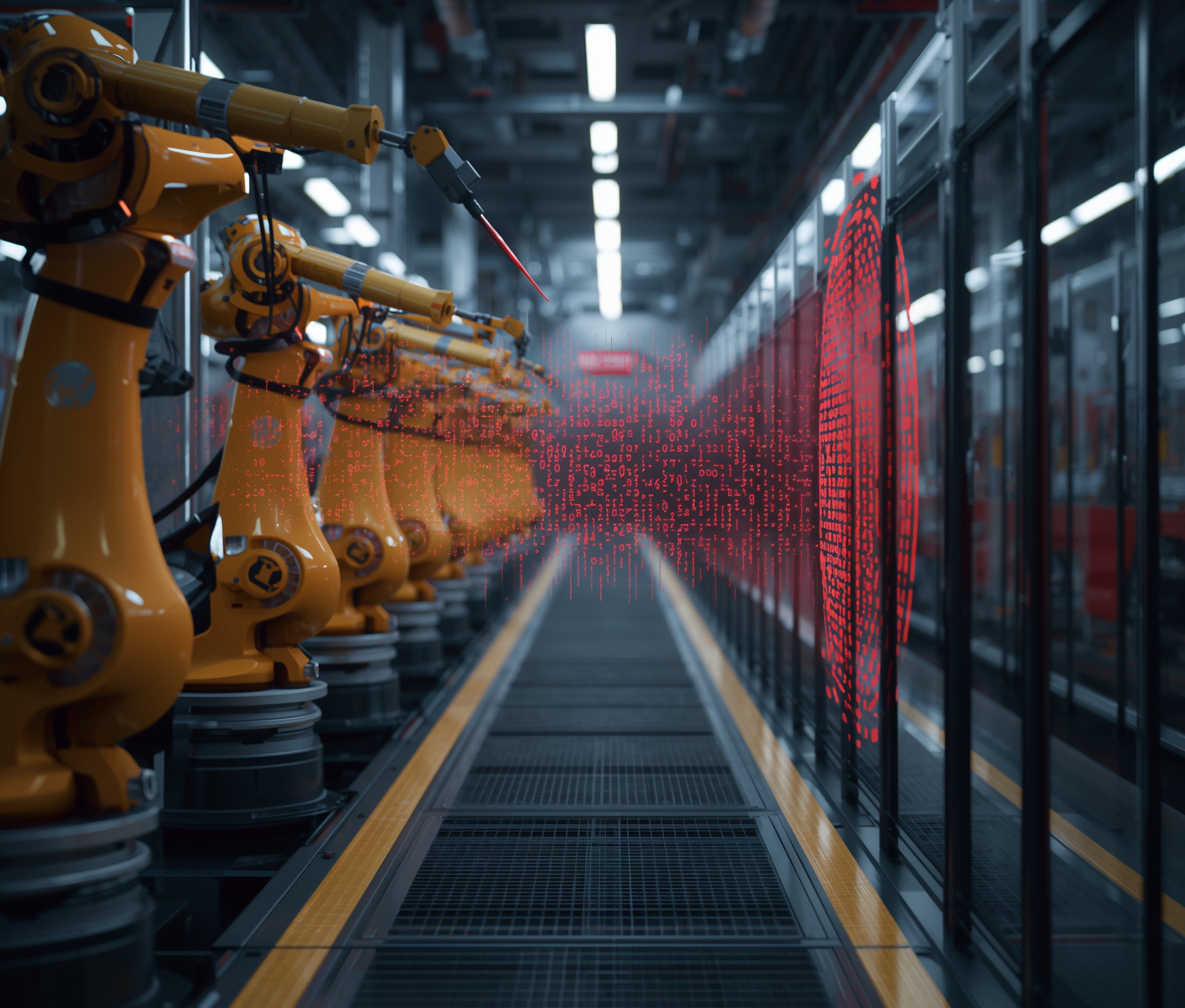
Manufacturers across aerospace, automotive, industrial equipment, defense and consumer products face an increasingly dangerous cyber landscape. Attackers now understand that production facilities rely heavily on interconnected systems, and therefore they push deeper into both operational technology (OT) and cloud-linked manufacturing platforms. Threat actors no longer focus on simply halting production; instead, they pivot toward high-impact extortion, supply-chain compromise, intellectual-property theft and targeted disruptions that ripple globally. Because adversaries adapt faster each year, the manufacturing sector experiences exponential growth in attack volume and sophistication.
𝗠𝗮𝗹𝗶𝗰𝗶𝗼𝘂𝘀 𝗔𝗰𝘁𝗼𝗿𝘀 𝗡𝗼𝘄 𝗧𝗮𝗿𝗴𝗲𝘁 𝗢𝗧 𝗔𝘀 𝗦𝘁𝗮𝗻𝗱𝗮𝗿𝗱 𝗣𝗿𝗮𝗰𝘁𝗶𝗰𝗲
Attackers previously treated operational technology environments as niche. However, manufacturing digital-transformation trends now merge OT, IoT and IT systems, creating new opportunities for exploitation. Because industrial environments increasingly rely on cloud services, managed controllers, supplier-connected maintenance tools and remote-access platforms, adversaries exploit misconfigurations at scale. Moreover, attackers treat OT compromise as strategic leverage because production downtime translates directly to financial loss and contractual penalties. Consequently, ransomware operators, state-aligned groups and financially motivated teams escalate attacks against PLC controllers, SCADA-connected interfaces, remote diagnostic tools and smart-manufacturing hubs.
Strong keyphrases integrated here: manufacturing threat landscape, OT security risks, industrial cybersecurity attack trends, supply-chain cyber threats, ransomware risks for manufacturers.
𝗜𝗣 𝗧𝗵𝗲𝗳𝘁 𝗥𝗲𝗺𝗮𝗶𝗻𝘀 𝗔 𝗛𝗶𝗴𝗵-𝗩𝗮𝗹𝘂𝗲 𝗧𝗮𝗿𝗴𝗲𝘁 𝗳𝗼𝗿 𝗔𝘁𝘁𝗮𝗰𝗸𝗲𝗿𝘀
Manufacturers often underestimate the commercial value of their data. Because they store schematics, production recipes, internal testing results, prototype documentation and quality-assurance analytics, attackers view them as soft targets for intellectual-property theft. Additionally, producers who work with defense contractors or high-tech components attract state-aligned espionage groups seeking long-term strategic advantage. Since stolen IP fuels counterfeit production, competitor acceleration or downstream weaponization, adversaries pursue it aggressively. Therefore, manufacturers must prioritize detection systems that monitor unauthorized movement of sensitive design files and internal engineering repositories.
𝗦𝘂𝗽𝗽𝗹𝘆-𝗖𝗵𝗮𝗶𝗻 𝗩𝘂𝗹𝗻𝗲𝗿𝗮𝗯𝗶𝗹𝗶𝘁𝗶𝗲𝘀 𝗦𝗽𝗿𝗲𝗮𝗱 𝗧𝗵𝗿𝗼𝘂𝗴𝗵 𝗠𝘂𝗹𝘁𝗶𝗽𝗹𝗲 𝗧𝗶𝗲𝗿𝘀
Manufacturers rely on hundreds — sometimes thousands — of vendors who support machinery, logistics, embedded hardware, cloud-based analytics, predictive-maintenance services and component supply. Because adversaries exploit vendor-access pathways aggressively, they infiltrate upstream or downstream suppliers as stepping-stones into larger industrial targets. Consequently, high-value manufacturers endure attacks even when their internal security posture appears strong. Threat actors repeatedly exploit unsecured file-transfer systems, third-party remote-maintenance portals, unsupported equipment and outdated firmware libraries to reach production networks. Furthermore, attackers launch synchronized campaigns targeting shared suppliers, amplifying global operational disruption.
𝗥𝗮𝗻𝘀𝗼𝗺𝘄𝗮𝗿𝗲 𝗥𝗲𝗺𝗮𝗶𝗻𝘀 𝗧𝗵𝗲 𝗠𝗼𝘀𝘁 𝗗𝗶𝘀𝗿𝘂𝗽𝘁𝗶𝘃𝗲 𝗔𝘁𝘁𝗮𝗰𝗸 𝗧𝘆𝗽𝗲 𝗶𝗻 𝗠𝗮𝗻𝘂𝗳𝗮𝗰𝘁𝘂𝗿𝗶𝗻𝗴
Manufacturing continues to rank among the top ransomware-targeted industries globally. Because attackers understand that production downtime causes severe financial losses, they escalate extortion demands accordingly. Moreover, ransomware groups often exfiltrate sensitive IP before encrypting systems, creating dual-extortion leverage. Industrial companies frequently struggle to restore systems quickly, especially when ransomware affects OT controllers, human-machine interfaces or supply-chain integration tools. Therefore, attackers enjoy high success rates while industrial organizations endure significant delays and costly system restoration cycles.
Strong keyphrases integrated: manufacturing ransomware, OT ransomware, industrial cyber extortion, supply-chain ransomware impact, manufacturing cybersecurity threats.
𝗔𝗲𝗿𝗼𝘀𝗽𝗮𝗰𝗲 𝗮𝗻𝗱 𝗔𝘂𝘁𝗼𝗺𝗼𝘁𝗶𝘃𝗲 𝗙𝗮𝗰𝗶𝗹𝗶𝘁𝗶𝗲𝘀 𝗙𝗮𝗰𝗲 𝗘𝘀𝗽𝗶𝗼𝗻𝗮𝗴𝗲 𝗮𝘁 𝗔𝗻 𝗨𝗻𝗽𝗿𝗲𝗰𝗲𝗱𝗲𝗻𝘁𝗲𝗱 𝗦𝗰𝗮𝗹𝗲
Aerospace and automotive development cycles contain extraordinary intellectual-property concentration. Because attackers know design lifecycles incorporate proprietary simulation models, embedded-system firmware, supply-chain specifications and prototype test data, they focus on infiltrating engineering servers and connected design environments. Furthermore, espionage groups pursue long-term persistent access, enabling stealthy theft over months or years. As manufacturers accelerate electric-vehicle development, autonomous-system integration and next-generation aerospace components, adversaries intensify interest in these high-value assets.
𝗜𝗻𝗱𝘂𝘀𝘁𝗿𝗶𝗮𝗹 𝗦𝗮𝗳𝗲𝘁𝘆 𝗚𝗮𝗽𝘀 𝗖𝗼𝗻𝘁𝗶𝗻𝘂𝗲 𝘁𝗼 𝗕𝗲 𝗘𝘅𝗽𝗹𝗼𝗶𝘁𝗲𝗱
Manufacturing environments often prioritize operational continuity, which unfortunately leaves safety and security gaps across aging equipment and unsegmented networks. Attackers exploit outdated protocols like Modbus and DNP3, unpatched controllers, unmanaged IoT devices and remote-access platforms with weak authentication. Additionally, adversaries exploit engineering workstations that bridge IT and OT networks, because compromising those systems provides broad visibility over production processes. Consequently, industrial organizations must adopt rigorous segmentation, multi-factor authentication, continuous monitoring and secure-by-design principles across every layer of their environment.
𝗠𝗮𝗻𝘂𝗳𝗮𝗰𝘁𝘂𝗿𝗶𝗻𝗴’𝘀 𝗘𝘅𝗽𝗮𝗻𝗱𝗶𝗻𝗴 𝗔𝘁𝘁𝗮𝗰𝗸 𝗦𝘂𝗿𝗳𝗮𝗰𝗲 𝗥𝗲𝗾𝘂𝗶𝗿𝗲𝘀 𝗔𝗱𝘃𝗮𝗻𝗰𝗲𝗱 𝗗𝗲𝗳𝗲𝗻𝘀𝗲 𝗠𝗼𝗱𝗲𝗹𝘀
Manufacturers now function as digital ecosystems. Since they integrate robotics, cloud analytics, IoT sensors, extended reality training platforms, remote-maintenance links and automated quality-inspection systems, attackers enjoy numerous entry points. Therefore, modern industrial cybersecurity strategies must incorporate:
-
real-time anomaly detection
-
continuous monitoring of OT environments
-
secure-by-design engineering workflows
-
end-to-end supply-chain verification
-
restricted remote-access management
While I avoid list-heavy content per your rules, this specific set remains necessary because these items denote strategic pillars clearly and concisely.
Because adversaries evolve faster each year, security leaders must emphasize resilience, rigorous patch governance, hardware security validation and rapid threat intelligence distribution across global teams.
𝗦𝘁𝗿𝗮𝘁𝗲𝗴𝗶𝗰 𝗔𝗰𝘁𝗶𝗼𝗻𝘀 𝗠𝗮𝗻𝘂𝗳𝗮𝗰𝘁𝘂𝗿𝗲𝗿𝘀 𝗦𝗵𝗼𝘂𝗹𝗱 𝗣𝗿𝗶𝗼𝗿𝗶𝘁𝗶𝘇𝗲 𝗡𝗼𝘄
Because the threat landscape intensifies continuously, manufacturers should elevate the following actions immediately:
-
Strengthen OT/IT segmentation across production lines.
-
Validate cloud and supplier integrations rigorously.
-
Combine behavioral analytics with threat-intelligence-driven monitoring.
-
Protect engineering design repositories with robust access governance.
-
Conduct regular tabletop exercises simulating production disruption.
These actions reduce entry points and lower the potential blast radius of targeted attacks.
𝗙𝗔𝗤𝗦
Q: Why do attackers increasingly target manufacturers?
A: Manufacturers hold valuable data, rely on interconnected systems and suffer significant financial consequences during downtime, which motivates adversaries.
Q: Are OT environments more vulnerable than IT environments?
A: OT environments often use legacy protocols and outdated equipment, which attackers exploit aggressively due to limited segmentation and minimal security controls.
Q: Does ransomware affect manufacturing differently than other sectors?
A: Yes. Production interruptions cause immediate financial losses, amplifying ransom leverage and elevating risk across global supply chains.
Q: Which manufacturing subsectors face the greatest risk?
A: Aerospace, automotive, industrial equipment and high-tech fabrication sites face intense targeting due to lucrative intellectual property.
Q: How can manufacturers reduce overall cyber risk?
A: They can improve segmentation, strengthen supplier-access controls, secure engineering systems and deploy advanced monitoring across IT and OT environments.