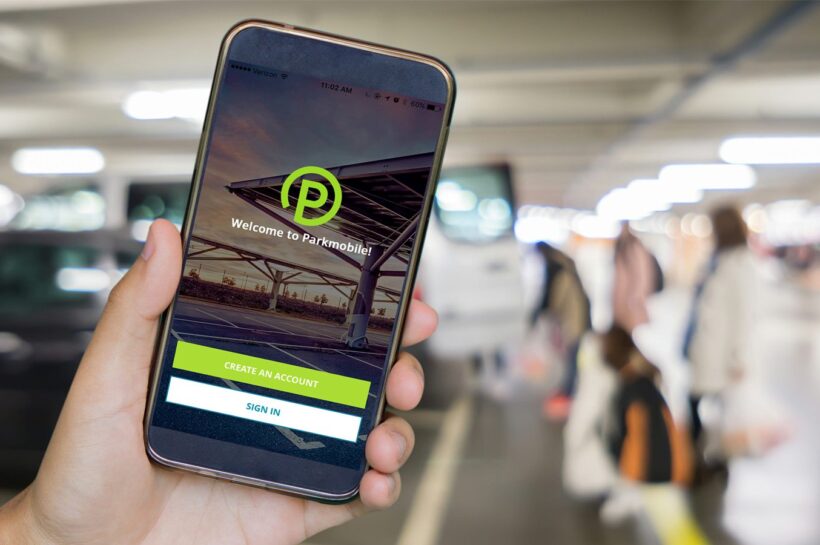
ParkMobile to Compensate Breach Victims With $1 Parking Credit
ParkMobile breach victims will receive a $1 parking credit as part of a 2025 class-action settlement. The 2021 incident exposed 21 million user records.






ParkMobile breach victims will receive a $1 parking credit as part of a 2025 class-action settlement. The 2021 incident exposed 21 million user records.

Huawei confirmed a data breach stemming from a compromised vendor system, exposing partner and employee records. Security experts warn of new supply-chain risks.
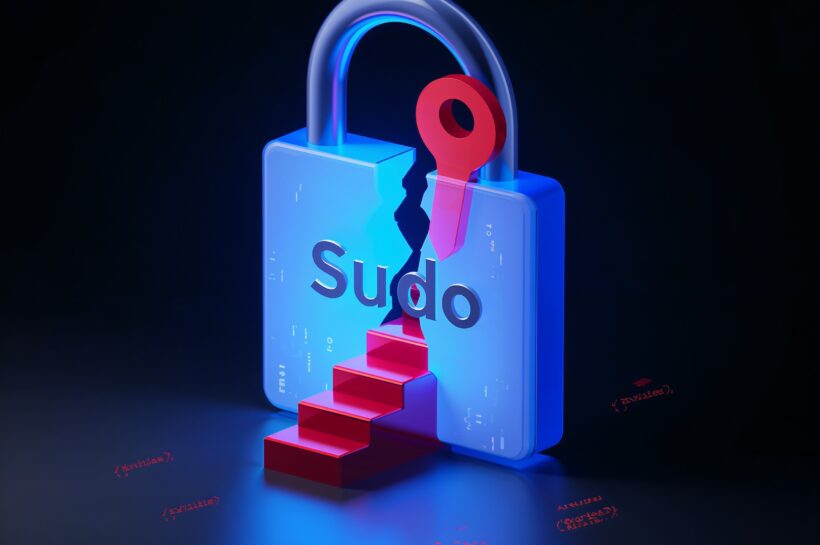
A public PoC exploit for CVE-2025-32463 in Sudo has been released, enabling local privilege escalation to root. Linux users are urged to update to Sudo 1.9.16p1.
A recently disclosed Chrome RCE exploit uses Wasm and JavaScript to manipulate memory and execute shellcode in the browser. Update to version M137.0.7151.57 immediately to prevent remote compromise.
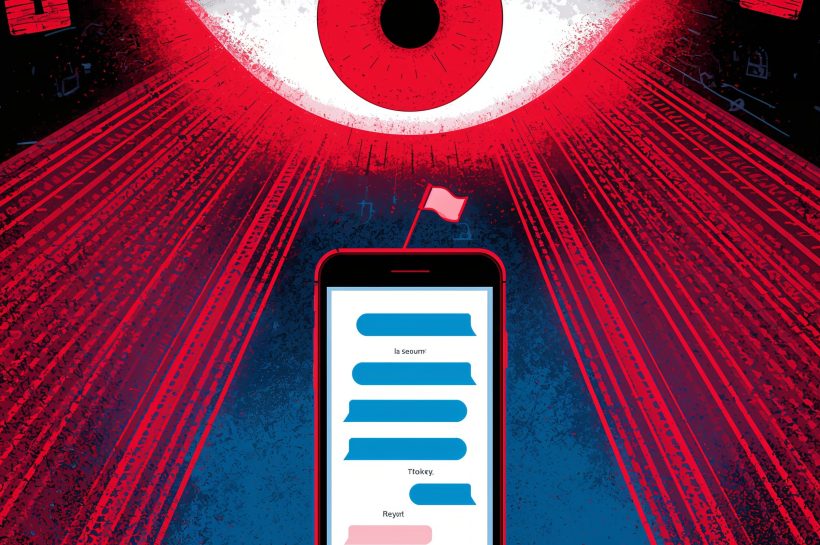
Signal has called on Germany to reject the EU’s chat control proposal, warning that client-side scanning would break encryption, facilitate surveillance, and undermine trust in private communication.

A zero-day vulnerability in Oracle E-Business Suite, CVE-2025-61882, has been actively exploited by Cl0p in data theft campaigns. Oracle’s emergency patch addresses unauthenticated remote code execution in the BI Publisher integration component.
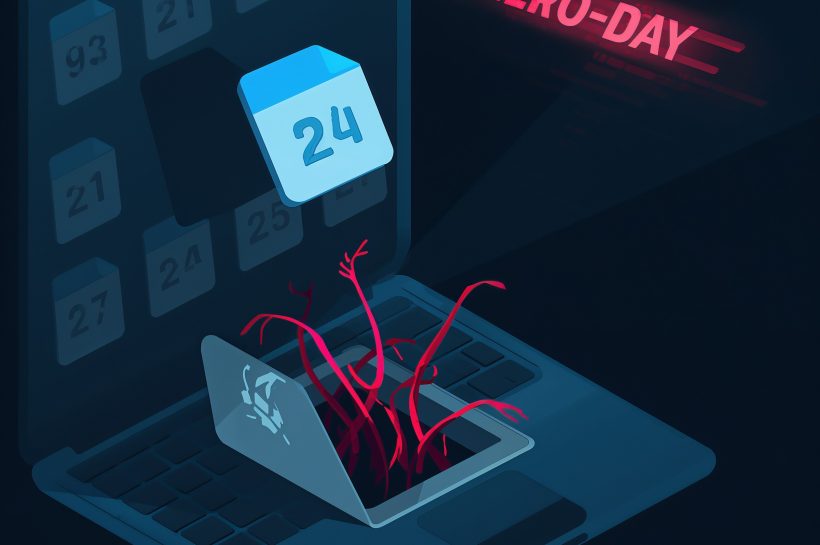
Researchers discovered a zero-day in Zimbra webmail where malicious JavaScript injected into .ICS calendar files executes within session context — allowing attackers to steal emails, credentials, and forward mail.

Despite Cisco’s warnings, many ASA/FTD firewalls remain vulnerable. Simultaneously, threat actors claim they breached Red Hat’s GitLab instance. This article merges both crisis points and guides the fixes.

South Korea’s cybersecurity faces unprecedented strain after months of continuous data breaches across public and private sectors, revealing deep governance and policy flaws.
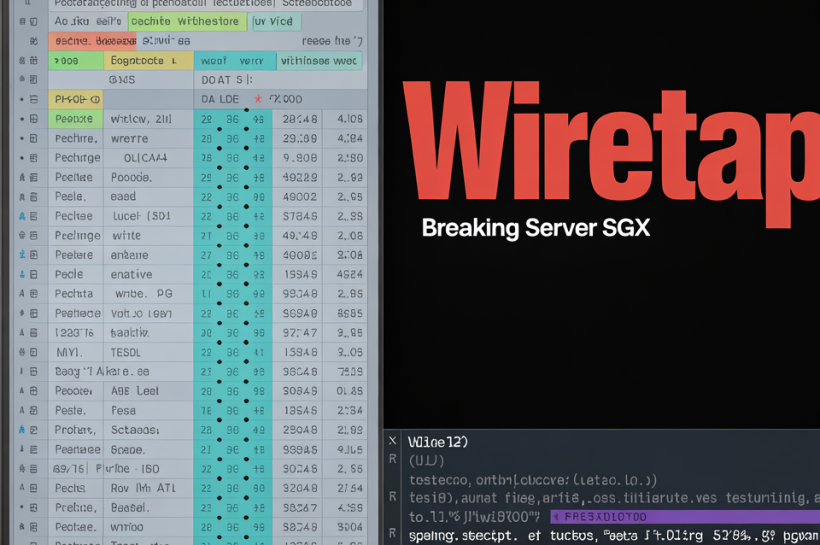
WireTap shows how a passive DDR4 interposer can recover Intel SGX attestation keys under physical access. The attack reframes trust in SGX-based services and demands stronger physical and cryptographic safeguards.