



Two silhouetted teenagers in front of a glowing Transport for London roundel and code-covered background, symbolising the TfL cyberattack case.

Two British Teens Deny Carrying Out High-Impact TfL Cyberattack

Two British teenagers have pleaded not guilty to serious Computer Misuse Act charges over a 2024 cyberattack on Transport for London, an intrusion that disrupted digital services, exposed customer data and allegedly cost the authority about £39 million. Their case now sits at the intersection of teen cybercrime, critical-infrastructure risk and the UK’s toughest penalties for hacking.

Read More
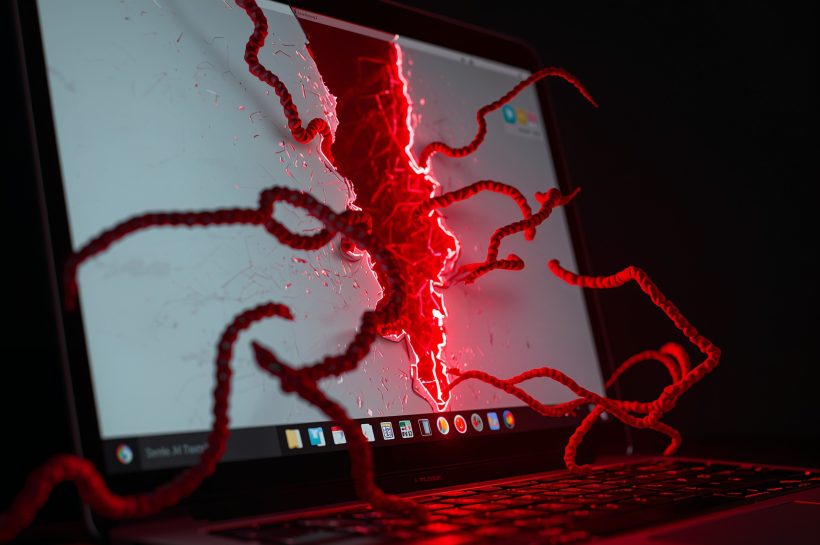
Claude Desktop extension dialog on macOS with a security prompt, highlighting sanitized AppleScript parameters and blocked shell operators

Claude Desktop Extensions Vulnerable to Command Injection

Researchers documented CVSS 8.9 command injection in three official Claude Desktop extensions Chrome, iMessage, and Apple Notes. Because those connectors built AppleScript commands with unescaped user input, prompt injection could pivot from web content to local shell execution on macOS. Anthropic patched the issues. This analysis explains the exploit chain, the fixes, and the validation steps security teams should run to keep MCP servers safe.

Read More
Cyberattack disrupting OnSolve CodeRED emergency alert systems used by U.S. public safety agencies

Crisis24’s OnSolve CodeRED Exposes Data and Disrupts Alerts

A cyberattack on Crisis24’s OnSolve CodeRED platform disrupted emergency alerts for cities, counties, police and fire agencies across the U.S. The INC Ransom group claims responsibility, with stolen resident data, clear-text passwords and a rollback to older backups now forcing agencies to rebuild their notification capabilities and review credential hygiene.

Read More
Secret Service telecom takedown in New York - seized SIM servers and cards

Secret Service Dismantles Major Telecom Threat Targeting New York City

The U.S. Secret Service dismantled a massive telecom threat in New York City, seizing 100,000 SIM cards and 300 servers hidden across abandoned apartments. Authorities say the “imminent” campaign, discovered before the UN Assembly, could have crippled cellular services, government operations, and emergency systems. Investigators believe foreign threat actors used the network for covert communication with criminal enterprises

Read More